| Middle Latest wheat production technology to take more than low cost production | ||||||||||||||||||||||||||||||||||||||||||||||||||||||||||||
|
National and Regional Landscapes
|
||||||||||||||||||||||||||||||||||||||||||||||||||||||||||||
| In the State Problems related to wheat productivity | ||||||||||||||||||||||||||||||||||||||||||||||||||||||||||||
(a) related to undenatured/limited irrigation areas-
(b) related areas of irrigation
|
||||||||||||||||||||||||||||||||||||||||||||||||||||||||||||
| In the State Changed format of the installment of wheat | ||||||||||||||||||||||||||||||||||||||||||||||||||||||||||||
(a) Excluded Rakba over the years
(b) Limited irrigation availability in actual appendages in the irrigation zone
|
||||||||||||||||||||||||||||||||||||||||||||||||||||||||||||
| Production technology | ||||||||||||||||||||||||||||||||||||||||||||||||||||||||||||
| Farm Preparation
· Summer · Three years deep tilling · Black Heavy Mud Broom (Fine Tilth) Making Hard · Rotavator Use Suitable Disc Harrow Also Suitable Busy Time · Assigned: from mid-October to the first week of Nov · Refined: First Witch of November Month · Sintered (From time): Second Pakhwada of November month · Sintered (from Derry): from 2nd week of December |
||||||||||||||||||||||||||||||||||||||||||||||||||||||||||||
| Selection of suitable varieties | ||||||||||||||||||||||||||||||||||||||||||||||||||||||||||||
| (a) Malwa Zone: Ratlam, Mandsaur, Indore, Ujjain, Shajapur, Rajgarh, Sihore, Base, Dewas and the southern part of the fold Average rainfall of the area: 750 to 1250 mm Soil: Heavy Black Mud
(b) Nimad Zone: Khandwa, Khargon, Dhar and Zubua Part
(c) Vindhya Platehar: Raisen, Vidisha, Sea, Part of Fold
(d) Narmada Valley: Jabalpur, Narsinghpur, Hoshngabad, Harida
(i) Benganga Valley: Balaghat and Suenee
(R) Haveli Area: Part of Reva, Jabalpur, Part of Narsinghpur
L. Satpura Platehar: Chhindwara and Baitul
(v) Gird region: Gwalior, Bhind, Murena and Datiya part
(h) Bundelkhand Region: Datiya, Shivapuri, part of the fold Tcomgarh, part of Chhatrapur and Emerald
|
||||||||||||||||||||||||||||||||||||||||||||||||||||||||||||
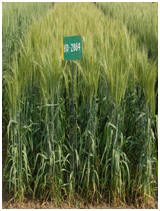
| Special: Varieties in the condition of sowing with extreme delay in all areas: HD 2404, MP 1202 | ||||||||||||||||||||||||||||||||||||||||||||||||||||||||||||
|
||||||||||||||||||||||||||||||||||||||||||||||||||||||||||||
| Advanced wood variety | ||||||||||||||||||||||||||||||||||||||||||||||||||||||||||||
HD 8713 (Pusa Mars) ,HI 8381 (Malwashri) ,HI 8498 (Malwpower) ,HI 8663 (Nutrition),MPO 1106 (Suddha),MPO 1215,HD 4672(Malwarttan) ,HI 8627 (Malkyti)
|
||||||||||||||||||||||||||||||||||||||||||||||||||||||||||||
| Seed quantity | ||||||||||||||||||||||||||||||||||||||||||||||||||||||||||||
| · Average 100 kg/h. (The weight of our granule is up to 40 grams)
· Weight of a thousand vine grows 1 g (up to 40 g), 2.5 kg per/h · Distance from queue to queue in undenatured/semi-sized condition 25cm · Sintered (From time to time) 23cm in case of sowing · Do not mix seeds with fertilizer · 32 per cent germination reduction (5 years of research statistics) · Why wheat crop has the ability to keep indemnity at each stage when favorable weather. · So use seed low fertilizer drill. |
||||||||||||||||||||||||||||||||||||||||||||||||||||||||||||
| Seedlings | ||||||||||||||||||||||||||||||||||||||||||||||||||||||||||||
| · Sow the seeds before sowing, carboxine 75% for seed treatment, wp/carbondizyme 50% wp 2.5-3.0 g is sufficient for drug/kg seed.
· Tebukonosal is prevented by the disease of the canopy when we get from 1 g/kg seed. · PSB culture increases the availability of phosphorus when treated with 5 g/kg seeds. |
||||||||||||||||||||||||||||||||||||||||||||||||||||||||||||
| Using nutrients | ||||||||||||||||||||||||||||||||||||||||||||||||||||||||||||
| · Ensure Soil Testing
· Depending on the test, determination of the amount of traject, phosphate and potash is recommended – · Reduction of micro elements in almost all districts in the state · Use of Zinc Sulphate at a rate of 25 kg/h · Use of zinc sulfate after 3 harvests (each year of new)
Irrigation –
|
||||||||||||||||||||||||||||||||||||||||||||||||||||||||||||
| Cost reduction (new technology) | ||||||||||||||||||||||||||||||||||||||||||||||||||||||||||||
|
Pore – Drain Designation
|
· To reduce the costly inputs in seeds and fertilizers, the seed rate can be reduced by 30 – 35 per cent.
· Reduction of fertilizer consumption · Sleep Control Easy · Low volume of water in irrigation |
|||||||||||||||||||||||||||||||||||||||||||||||||||||||||||
| More Different Techniques of Wheat Production | ||||||||||||||||||||||||||||||||||||||||||||||||||||||||||||
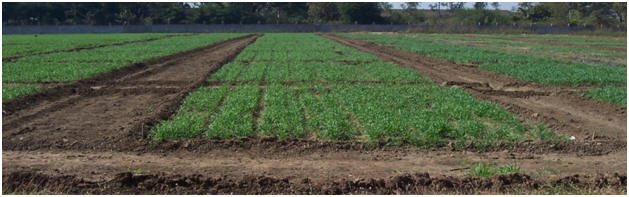
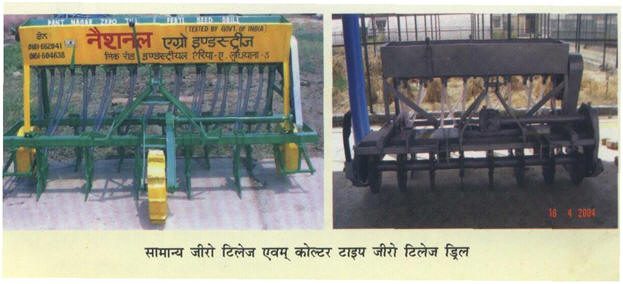
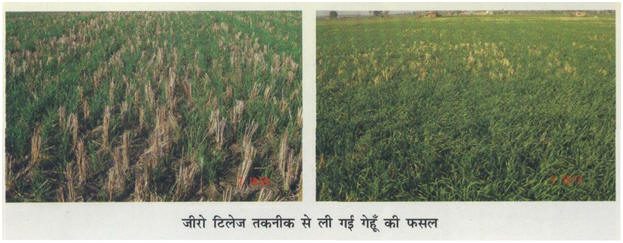
| Zero Tillage Technique:- After harvesting the harvest of the paddy harvest, the farm won’t save time for the sow of wheat in time and the farm, besides leaving the farm, the farmer won’t save the option. Made in a special form in such a condition Seeds and manure drill machine can be sowing wheat. The method of direct sowing of wheat is called zero tillage by the machine without sowing after harvesting the farm which does not require tillage. By adopting this method, the damage that occurs when the wheat is late can be avoided and the cost of the farm may also be reduced on preparation. This technique can be carried out in all types of lands in addition to smooth soil. Zero tillage machine is just like ordinary drill. It has tyn knife like This tines creates a crack of shape like a groove in the soil, allowing manure and seeds to reach appropriate volume and depth. This method has the following benefits. :-
Benefits of Zero Tillage Techniques :- · Sowing by this machine can save 85-90 percent of fuel, energy and time. · The adoption of this method reduces the deposition of weeds. · The sowing of 1-1.5 acres of land can be carried out in 1 hour by this machine This is a low energy consumption technique, so in the event of sowing from time to time, the cost of preparing the farm is Rs.2000-2500 per hectare. · Sowing and sowing can be produced from time to time. · Before starting sowing, make the machine cleared and put the appropriate amount of manure and seed. · Just use the granular manure in this machine so as not to generate resistance in pipes. · Never put the machine behind.
Sowing technique on the furo Irrigation Recessed Bed (Ferv):- · The sowing technique on the merry varies by sowing or sprinkling the sorghum in farmers. In this technique, wheat sows seeds in two or three queues on the gums with a tractor running Roger less drill. This technique saves manure and seed. and production is not affected. High quality more seed can be produced from this technology.
Benefits of harvesting (Ferv) on the merch · Reduces and saving of seed, manure and water content, moisture protected in the meds is available for a long period of harvest and the growth of plants is good. · Wheat production cost reduction. · Wheat is cultivated on drains and torso. This does not lead to cropping. Cropping on the med is good for growth of roots and roots absorb moisture and nutrients deeply. · This method is used for irrigation in wheat production. The drains are also helpful in excess water extraction. · Increases productivity of Dalhani and Tilhani crops. · The machine can also be denounced. · Ease of removing unwanted plants. |
||||||||||||||||||||||||||||||||||||||||||||||||||||||||||||
| Global Excellence | ||||||||||||||||||||||||||||||||||||||||||||||||||||||||||||
| · A century season is clear of statistics that temperatures in 2009 – 10 (lower) from 10 to high temperature 20 to high.
· Jawaharlal Nehru Agricultural University has the ability to produce even more on high heat developed by J.W. 1142, J.D.W. 1201, J.W. 3211 and J.W. 3288 varieties. |
||||||||||||||||||||||||||||||||||||||||||||||||||||||||||||
| Water and Nutrient Use Capacity | ||||||||||||||||||||||||||||||||||||||||||||||||||||||||||||
| · Crop affected by erosion in the land of constant irrigation water and lack of irrigation water
· Developed varieties with more "water utilization potential" and "nutrient use capacity"
|
||||||||||||||||||||||||||||||||||||||||||||||||||||||||||||
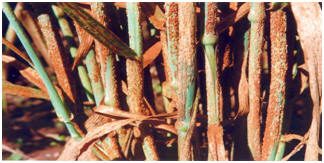
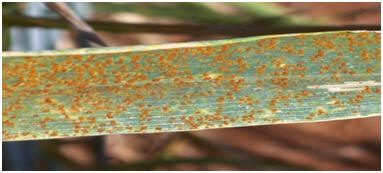
| The outbreak of the new distinction of Black GerruaUG 99) | ||||||||||||||||||||||||||||||||||||||||||||||||||||||||||||
| · Madhya Pradesh Most Favorable for the outbreak of Black Gerrua
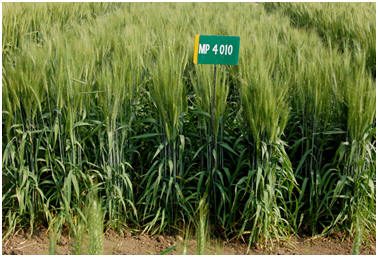
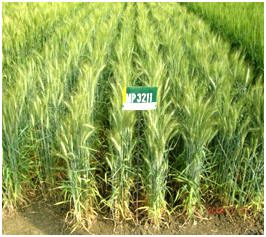
· Control due to the development of anti-gerosion varieties These varieties of MPO1215, MP3336, MP4010 varieties developed by Jawaharlal Nehru Agricultural University were tested in "Kinnia". All varieties have the ability to produce resistant and more of vortex 99.
|
||||||||||||||||||||||||||||||||||||||||||||||||||||||||||||
| Compilation of properties (Value Addition | ||||||||||||||||||||||||||||||||||||||||||||||||||||||||||||
| · The weight of the best donations in quality in the country of wheat.
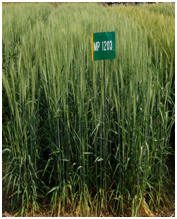
· The amount of protein than the second states 1 percent higher · yet attempted to increase the amount of protein · The currently developed varieties are rich in microelements. · Varieties developed from the University J.W. 1202 and J.W. 1203, the most protein than other varieties developed in the country · The most "vitamin A" in currently university developed varieties · Most Iron, Zinc and Magnesium |
||||||||||||||||||||||||||||||||||||||||||||||||||||||||||||
| Quality mandate in varieties developed by J.V. | ||||||||||||||||||||||||||||||||||||||||||||||||||||||||||||
|
||||||||||||||||||||||||||||||||||||||||||||||||||||||||||||
| Positive side of M.P. | ||||||||||||||||||||||||||||||||||||||||||||||||||||||||||||
| · Reduction in undenatured area
· Increased irrigation facilities · Use of the sprinkler method · Increased fertilizer consumption · Enhance the use of micro elements too · Speed and availability of new varieties Satisfactory · Availability of good quality seeds · First in the country in the university "Seed Production" as an example · Free from the outbreak of "Karnal Bhardt, Yellowberry, Kaladamba" etc. in Kathya Wheat · So increased export potential |
||||||||||||||||||||||||||||||||||||||||||||||||||||||||||||
| Weed Control | ||||||||||||||||||||||||||||||||||||||||||||||||||||||||||||
| Weeds are likely to decrease yield by 25-35 percent. This reduction depends on the growth of weeds in the crop In addition to the reduction of production, the nutrient, water, light and location of the crop is used by the self of weed plants. In wheat, low control measures can be carried out mainly by three methods. Weeds in wheat harvest are mainly divided into two parts.
|
||||||||||||||||||||||||||||||||||||||||||||||||||||||||||||
| Chemical Method:- | ||||||||||||||||||||||||||||||||||||||||||||||||||||||||||||
| The chemical method is preferred to sleep as it saves time. Stays profitably too. Sleep controls are as follows:
The quantity and usage time of sleepy chemicals:-
|
||||||||||||||||||||||||||||||||||||||||||||||||||||||||||||
| The main essentials for the prolific production of wheat :- | ||||||||||||||||||||||||||||||||||||||||||||||||||||||||||||
· Use fertilizers after soil check. timely fertilizer in balanced quantities. The correct placement of fertilizers contributes to increasing production and increasing fertilizer utilization capacity. Pour fertilizers below 2-3 cm from seeds. Use organic and organic sources to increase soil health and productivity.
· Irrigation soil type irrigation means in wheat, irrigation and irrigation in the transitional states by taking into account irrigation equipment.
· Do not burn in the maleve farms after harvesting wheat harvest, burning the maleve leads to the hypnotic microelements available in the soil of the farms. The fire of the masseuse also fires in the homes of the people. And there is a possibility of mass and livestock loss. After harvesting wheat harvest, after harvesting rotavator in proper moisture in the farms, the slogan is found in the soil, which is also beneficial for the soil. · In today's time, the production cost of cultivation is increasing by the unprocessed use of chemicals. Requirement that this production cost is reduced. The cheaper and effective way to reduce production costs is to adopt coordinated management measures. · The problem of bugs and diseases is growing in crops daily due to increased temperature and uncertainty of the earth due to climate change, global warming. It is necessary to adopt coordinated measures for effective management of these. · Timely efficient management and correct decision is necessary to achieve production in farming. Many times farmers adopt sibling controller measures late due to which weed harvest is revolutionary and weed plants are strengthened and then their control is harder than chemicals. |
||||||||||||||||||||||||||||||||||||||||||||||||||||||||||||