| Diseases |
Altereria Blit |
|
| English Name |
Altereria Blit |
|
| Factor Bacteria |
Altereria Traitsina |
| Symptoms and damage |
- High humidity, good irrigation and temperature from 22 D. to 28 D. adapt to this disease.
- Spots appear initially in the foliage.
- The spots are small,round and languish color.
- Later the size of the spots increases and irregularly scattered. The leaves rot.
|
| Control |
- Spray the maincozeb per hectare per gram. Or spray carbadizim 1.5 g per liter.
|
| IPM |
- Use resistant varieties.
- Pay attention to the cleanliness of the farm.
- Use certified seeds.
- Do not sow late.
- Destroy the remains of affected plants from the farm.
- In the months of May-June when there is a strong sunshine,dry well in the tune after soaking the seeds in water for 4 hours a morning.
- It should be careful not to eliminate the irritability of the seeds.
|
|
|
|
|
| Diseases |
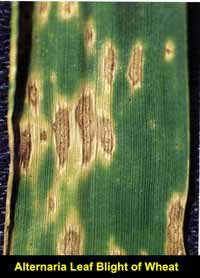
Alternia leaf limbs |
 |
| English Name |
Alternia deciduous swell |
| Factor Bacteria |
Alternia deciduous swell |
| Symptoms and damage |
- Round spots appear on the upper part of the leaves at the beginning.
- These spots are spread irregularly.
- The spots are darker than brown.
- The tissue area is surrounded by bright yellow.
- Spots get bigger and become bigger spots.
- Black cleavage substance is developed for Konidia and Konidia.
- Similar symptoms appear on the earring, rashes.
|
| Control |
- Spray 3 g per liter of mencozeb or carbadzim 1.5 g per liter. Spray in an interval of 10-15 days of zeenb or menb or copper oxychloride at a rate of 8 0.25.
- Use certified seeds.
- Destroy the disease affected plants.
|
| IPM |
- Sow resistance varieties such as N.P.-4, N.P.-52, N.P.-100, N.P.-824.
- Pay attention to the cleanliness of the farm.
- Use certified seeds.
- Do not sow late.
- Destroy the remains of affected plants from the farm.
- In the months of May-June when there is a strong sunshine,dry well in the tune after soaking the seeds in water for 4 hours a morning.
|
|
|
|
| Diseases |
Genthomones Kampesstrus |
 |
| English Name |
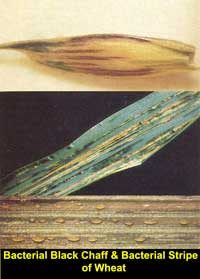
Bacterial Angmary and Kadua Disease |
| Factor Bacteria |
Genthomones Kampesstrus |
| Symptoms and damage |
- Bacteria can also spread from seeds.
- These diseases can spread from rain, insect.
- Black powder is filled in pods.
- The disease comes in the field of harvest.
- It is not a disease in India.
|
| Control |
- Keep in mind the cleanliness of the farm.
- Use resistant strands.
|
| IPM |
- Use resistant varieties.
- Pay attention to the cleanliness of the farm.
- Use certified seeds.
- Do not sow late.
- Destroy the remains of affected plants from the farm.
- In the months of May-June when there is a strong sunshine,dry well in the tune after soaking the seeds in water for 4 hours a morning.
|
|
|
|
| Diseases |
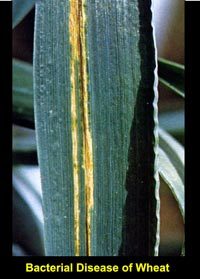
Bacterial Disease |
|
| English Name |
Bacteria |
 |
| Factor Bacteria |
– |
| Symptoms and damage |
– |
| Control |
– |
| IPM |
- Use resistant varieties.
- Pay attention to the cleanliness of the farm.
- Use certified seeds.
- Do not sow late.
- Destroy the remains of affected plants from the farm.
- In the months of May-June when there is a strong sunshine,dry well in the tune after soaking the seeds in water for 4 hours a morning.
|
|
|
|
| Diseases |
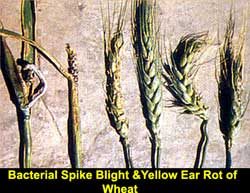
Yellow Aseptic |
|
| English Name |
Yellow Aseptic |
 |
| Factor Bacteria |
Cornibacterium tritc |
| Symptoms and damage |
- This disease also spreads from pests
- This bacteria is related to angina tritc.
- The yellow dynasty is deposited on the gardens.
- The substance becomes white when dry.
- The latter earrings come like sticky substance.
|
| Control |
- Keep in mind the cleanliness of the farm.
- Use resistant strands.
|
| IPM |
- Use resistant varieties.
- Pay attention to the cleanliness of the farm.
- Use certified seeds.
- Do not sow late.
- Destroy the remains of affected plants from the farm.
- In the months of May-June when there is a strong sunshine,dry well in the tune after soaking the seeds in water for 4 hours a morning.
|
|
|
| Diseases |
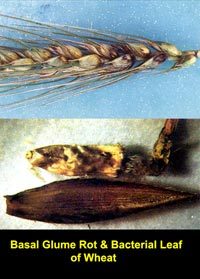
Tussabha assault and bacterial organs |
|
| English Name |
Tussabha assault and bacterial organs |
 |
| Factor Bacteria |
Sudomenas |
| Symptoms and damage |
- This disease occurs in areas containing moisture.
- The disease can spread from seeds, pests and warriors.
- Dark green spots appear on the leaves, stems and pods.
- Later the spots become darker than dark brown.
- If the weather is wet, a white secretion appears.
|
| Control |
- Keep in mind the cleanliness of the farm.
- Use resistant strands.
|
| IPM |
- Use resistant varieties.
- Pay attention to the cleanliness of the farm.
- Use certified seeds.
- Do not sow late.
- Destroy the remains of affected plants from the farm.
- In the months of May-June when there is a strong sunshine,dry well in the tune after soaking the seeds in water for 4 hours a morning.
|
|
|
| Diseases |
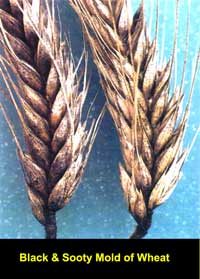
Suity Mold |
|
| English Name |
Suity Mold |
 |
| Factor Bacteria |
Alternia, Clodosporium,Stemfileum,Epicocum |
| Symptoms and damage |
- This disease occurs in moisture, rainy areas.
- This disease occurs by the invasion of aphids.
- The fruit is black when it comes to the fruit.
|
| Control |
- Keep in mind the cleanliness of the farm.
- Use resistant strands.
|
| IPM |
- Use resistant varieties.
- Pay attention to the cleanliness of the farm.
- Use certified seeds.
- Do not sow late.
- Destroy the remains of affected plants from the farm.
- In the months of May-June when there is a strong sunshine,dry well in the tune after soaking the seeds in water for 4 hours a morning.
|
|
|
| Diseases |
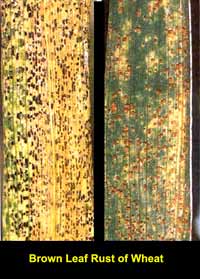
Boundary gerrua disease |
|
| English Name |
Boundary gerrua disease |
 |
| Factor Bacteria |
Puccinia Recondeta |
| Symptoms and damage |
- This disease is higher in the tropical areas.
- The yield significantly decreases.
- The spots appear on the upper part of the leaf.
- Spots are round or elliptical.
- The spots are neither spread nor found.
- The spots are found in the upper part of the leaf.
|
| Control |
- 3 g#liter can be thoroughly rinsed with mencozeb or tridymiphon.
- Keep in mind the cleanliness of the farm.
- Use resistant strands.
|
| IPM |
- Use resistant varieties.
- Pay attention to the cleanliness of the farm.
- Use certified seeds.
- Do not sow late.
- Destroy the remains of affected plants from the farm.
- In the months of May-June when there is a strong sunshine,dry well in the tune after soaking the seeds in water for 4 hours a morning.
|
|
|
| Diseases |
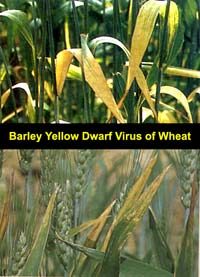
Gastrointestinal diseases |
|
| English Name |
Gastrointestinal diseases |
 |
| Factor Bacteria |
– |
| Symptoms and damage |
- It spreads the area of the aphids.
- This disease spreads from 20 to 22 de temperatures.
- The leaf becomes yellow or red.
- The development of the roots is stopped.
- The affected plants due to the fungus become straight, and fall black. The ripening and sepharmaceutical fungus become colorless.
|
| Control |
- Keep in mind the cleanliness of the farm.
- Use resistant strands.
- Use pesticides to control aphids.
|
| IPM |
- Use resistant varieties.
- Pay attention to the cleanliness of the farm.
- Use certified seeds.
- Do not sow late.
- Destroy the remains of affected plants from the farm.
- In the months of May-June when there is a strong sunshine,dry well in the tune after soaking the seeds in water for 4 hours a morning.
|
|
|
| Diseases |
Tilasia Cerius,Telia Fightida,Telia Eartrovarsa |
|
| English Name |
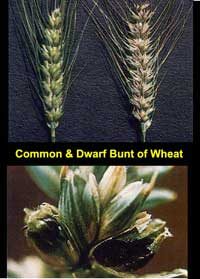
Wamanita Bent |
 |
| Factor Bacteria |
Сountry |
| Symptoms and damage |
- This disease occurs at low temperature at the time of irritation.
- The invasion of this disease becomes a stunt.
- These bunts are spherical in which fish resembles.
- The legumes become black or blue-green.
- The height of the plant decreases.
|
| Control |
- Keep in mind the cleanliness of the farm.
- Use resistant strands.
- Treat seeds from Vitavex 2 g per kg.
|
| IPM |
- Use antifungal varieties.
- Pay attention to the cleanliness of the farm.
- Use certified seeds.
- Do not sow late.
- Destroy the remains of affected plants from the farm.
- In the months of May-June when there is a strong sunshine,dry well in the tune after soaking the seeds in water for 4 hours a morning.
|
|
|
| Diseases |
Tilasia Keris,Tilasia Fightida |
|
| English Name |
Wamanita Bent 2 |
|
| Factor Bacteria |
Сountry |
| Symptoms and damage |
- This disease occurs at low temperature at the time of irritation.
- The invasion of this disease becomes a stunt.
- These bunts are spherical in which fish resembles.
- The legumes become black or blue-green.
- The height of the plant decreases.
|
| Control |
- Keep in mind the cleanliness of the farm.
- Use resistant strands.
- Treat seeds from Vitavex 2 g per kg.
|
| IPM |
- Use resistant varieties.
- Pay attention to the cleanliness of the farm.
- Use certified seeds.
- Do not sow late.
- Destroy the remains of affected plants from the farm.
- In the months of May-June when there is a strong sunshine,dry well in the tune after soaking the seeds in water for 4 hours a morning.
|
|
|
| Diseases |
– |
|
| English Name |
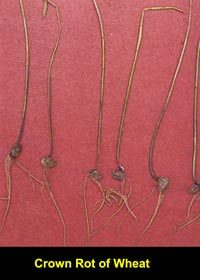
Kraun Road |
 |
| Factor Bacteria |
– |
| Symptoms and damage |
– |
| Control |
– |
| IPM |
- Use resistant varieties.
- Pay attention to the cleanliness of the farm.
- Use certified seeds.
- Do not sow late.
- Destroy the remains of affected plants from the farm.
- In the months of May-June when there is a strong sunshine,dry well in the tune after soaking the seeds in water for 4 hours a morning.
|
|
|
|
| Diseases |
Download MilediU |
|
| English Name |
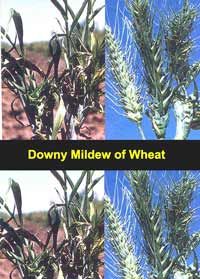
Muduromil Azita, Haritbaali |
 |
| Factor Bacteria |
Isleropithora Macrospora |
| Symptoms and damage |
- This disease contains moisture-containing areas,where water accumulation is high.
- Favorable temperature for this disease remains 10-25 de centigrade.
- The lumps remain small, irregular, thick-fat and green yellow.
- The leaf becomes thick and becomes flakes.
- Earrings are not formed and dies in the solemn.
- The rash is not formed and the leaves become like.
|
| Control |
- Keep in mind the cleanliness of the farm.
- Use resistant strands.
|
| IPM |
- Use resistant varieties.
- Pay attention to the cleanliness of the farm.
- Use certified seeds.
- Do not sow late.
- Destroy the remains of affected plants from the farm.
- In the months of May-June when there is a strong sunshine,dry well in the tune after soaking the seeds in water for 4 hours a morning.
|
|
|
| Diseases |
Diseases of wheat |
|
| English Name |
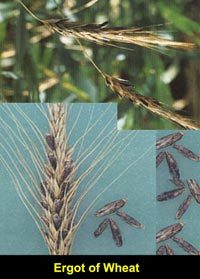
Diseases of wheat |
 |
| Factor Bacteria |
Cloviseepe Purpuria |
| Symptoms and damage |
- Dry sandy soil, low temperature and moisture adapt to this disease.
- Fungal remains in soil or plant residues.
- This disease has an effect where the farm is grown for quite a time.
- Spots appear on the base foliage.
- From the disease, the plant can tut and decrease the number of plants.
|
| Control |
- Keep in mind the cleanliness of the farm.
- Use resistant strands.
|
| IPM |
- Use resistant varieties.
- Pay attention to the cleanliness of the farm.
- Use certified seeds.
- Do not sow late.
- Destroy the remains of affected plants from the farm.
- In the months of May-June when there is a strong sunshine,dry well in the tune after soaking the seeds in water for 4 hours a morning.
|
|
|
| Diseases |
Ryezotonia Solane |
|
| English Name |
– |
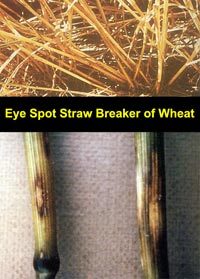 |
| Factor Bacteria |
– |
| Symptoms and damage |
- This disease occurs at low temperature at the time of irritation.
- The invasion of this disease becomes a stunt.
- These bunts are spherical in which fish resembles.
- The legumes become black or blue-green.
- The height of the plant decreases.
|
| Control |
- Keep in mind the cleanliness of the farm.
- Use resistant strands.
- Treat seeds from Vitavex 2 g per kg.
|
| IPM |
- Use resistant varieties.
- Pay attention to the cleanliness of the farm.
- Use certified seeds.
- Do not sow late.
- Destroy the remains of affected plants from the farm.
- In the months of May-June when there is a strong sunshine,dry well in the tune after soaking the seeds in water for 4 hours a morning.
|
|
|
| Diseases |
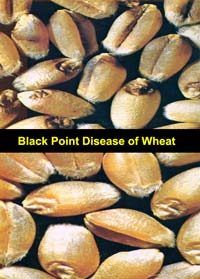
Alternia,Haleminthosporium and fuugorium |
|
| English Name |
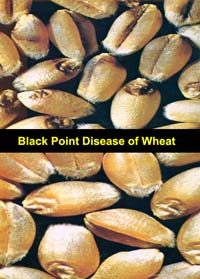
Black Point |
 |
| Factor Bacteria |
– |
| Symptoms and damage |
- The disease occurs in moisture-containing weather.
- The rash becomes colorless.
- Earrings become deep brown or black.
|
| Control |
- Use resistant varieties.
- Pay attention to the cleanliness of the farm.
- Use certified seeds.
- Do not sow late.
- Destroy the remains of affected plants from the farm.
- In the months of May-June when there is a strong sunshine,dry well in the tune after soaking the seeds in water for 4 hours a morning.
|
| IPM |
– |
|
|
| Diseases |
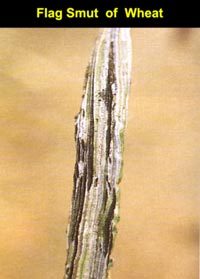
Fleg Cadaua Disease |
|
| English Name |
Flag Kadua Disease |
 |
| Factor Bacteria |
Urositus Tritac |
| Symptoms and damage |
- This disease affects the leaves.
- Slatey-black sory appears on the foliage in the middle of the veins.
- At the initial stage, Sorry is covered with the adherm (Apidermis) to which black matter appears.
|
| Control |
- Use certified, registered and disease-free seeds.
- Treat seeds with fungus.
- Treat seeds with 1.5 kg of Vitavex # carbadizyme per kg of seeds.
|
| IPM |
- Use resistant varieties.
- Pay attention to the cleanliness of the farm.
- Use certified seeds.
- Do not sow late.
- Destroy the remains of affected plants from the farm.
- In the months of May-June when there is a strong sunshine,dry well in the tune after soaking the seeds in water for 4 hours a morning.
|
|
|
| Diseases |
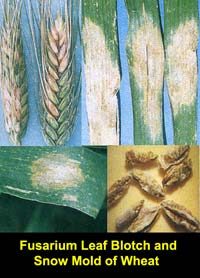
fugerium leaf smear and snow blunt |
|
| English Name |
fugerium leaf smear and snow blunt |
 |
| Factor Bacteria |
Kelonetria Nevelis |
| Symptoms and damage |
- This disease affects the lumbar varieties of wheat.
- Spreads infection from air or rain.
- Weather with frost or moisture helps spread this disease.
- Symptoms appear in the stage of becoming lumps.
- In the folded area of the foliage, the elliptical sletty from the round is visible.
- This will increase the vision and go to light slate spots.
- The whole leaves of the plant falls. The weight of the granules decreases.
|
| Control |
- Keep in mind the cleanliness of the farm.
- Use resistant strands.
|
| IPM |
- Use resistant varieties.
- Pay attention to the cleanliness of the farm.
- Use certified seeds.
- Do not sow late.
- Destroy the remains of affected plants from the farm.
- In the months of May-June when there is a strong sunshine,dry well in the tune after soaking the seeds in water for 4 hours a morning.
|
|
|
| Diseases |
Helminthosporium foliar smear |
|
| English Name |
Helminthosporium foliar smear |
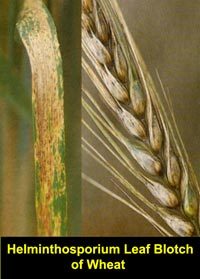 |
| Factor Bacteria |
Helminthosporium Setivam |
| Symptoms and damage |
- Round different spots appear on the leaf blade and foliar.
- The spots grow deeper than light brown and become ignorant.
- These spots have a large irregular spot.
|
| Control |
- Use certified, registered and disease-free seeds.
- Use resistant varieties.
|
| IPM |
- Use resistant varieties.
- Pay attention to the cleanliness of the farm.
- Use certified seeds.
- Do not sow late.
- Destroy the remains of affected plants from the farm.
- In the months of May-June when there is a strong sunshine,dry well in the tune after soaking the seeds in water for 4 hours a morning.
|
|
|
| Diseases |
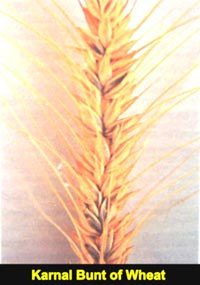
Karnal Bent |
|
| English Name |
The Karnal Bunt of Wheat |
 |
| Factor Bacteria |
– |
| Symptoms and damage |
- The color of the rash falls black.
- The spores are scattered by air.
- Dana is not worthy of eating when more infections occur.
|
| Control |
- The destiny of this disease is not yet known.
- Spraying of propeconazole 0.1 percent EC can reduce the infection of the disease.
|
| IPM |
- The varieties of wooded wheat are more resistant to soft varieties.
- Keep in mind the cleanliness of the farm.
- Use resistant varieties.
- Irrigation before flowering reduces the magnitude of the disease.
- Use diseaseless seeds in a healthy farm.
- Falling water can lead to a grion.
|
|
|
| Diseases |
– |
|
| English Name |
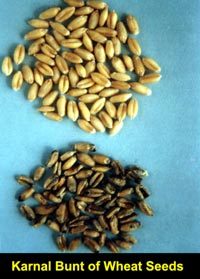
Seed Kill Bunt |
 |
| Factor Bacteria |
– |
| Symptoms and damage |
- The color of the rash falls black.
- The spores are scattered by air.
- Dana is not worthy of eating when more infections occur.
|
| Control |
- The destiny of this disease is not yet known.
- Sow in time.
- Spraying of propeconazole 0.1 percent EC can reduce the infection of the disease.
- The varieties of wooded wheat are more resistant to soft varieties.
- Keep in mind the cleanliness of the farm.
|
| IPM |
- The varieties of wooded wheat are more resistant to soft varieties.
- Keep in mind the cleanliness of the farm.
- Use resistant varieties such as PBW-299.
- Pay attention to the cleanliness of the farm.
- Use certified seeds.
- Do not sow late.
- Destroy the remains of affected plants from the farm.
- In the months of May-June when there is a strong sunshine,dry well in the tune after soaking the seeds in water for 4 hours a morning.
|
|
|
| Diseases |
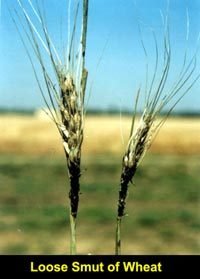
Pomegranate Shoulder |
|
| English Name |
sedara bitter disease |
 |
| Factor Bacteria |
Ustalygo TriTC |
| Symptoms and damage |
- The weather with frost and moisture is favorable for this disease.
- Causes of the buds have an effect.
- This disease can take place in any stage of the plant.
- This is seed-borne disease.
- The whole bunch of buds is affected by the disease.
- The whole bunch except the recycle turns into black finer substance.
|
| Control |
- Use certified, registered and disease-free seeds.
- Use resistant varieties.
|
| IPM |
- Use disease-free seeds.
- Treat the seeds from 1 to 1.5 g of carboxine or carbodgeum at the time of sow.
|
|
|
| Diseases |
English |
|
| English Name |
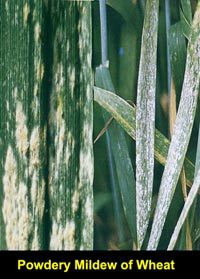
Dahia Disease |
 |
| Factor Bacteria |
– |
| Symptoms and damage |
- 14 to 25 D temperature adapts to this disease.
- The weather with frost and moisture is favorable for this disease.
- White or slate color on the upper part of the deciduous and leaf appears fine powder.
- The infected area remains yellow which can be rubbed with fingers.
- The infected area of the leaves becomes greenish and then becomes inanimate.
- When there is atrocious infection, black rounds become celestomy of shape that appears from the eyes.
|
| Control |
- Use certified, registered and disease-free seeds.
- Use resistant varieties.
- Spray 1.5 g # liters of carbadezim.
|
| IPM |
- Use certified, registered and disease-free seeds.
- Use resistant varieties.
|
|
|
| Diseases |
Schoshiyam Wilt |
|
| English Name |
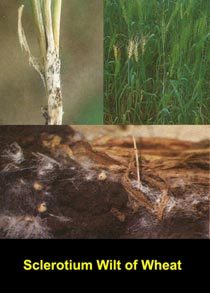
Scots Gaelic Diseases |
 |
| Factor Bacteria |
Scots Gaelic |
| Symptoms and damage |
- Acidic soils, temperatures over 20 D, and tyrant moisture is favorable for this disease.
- At the initial stage, the disease is caused by the formation of the plant.
- The wings on the surface of the fiber remain like mycelia.
- Newborn scerrosia is white-colored which subsequently becomes dark brown to brown.
|
| Control |
- Keep in mind the cleanliness of the farm.
- Use resistant strands.
|
| IPM |
- Keep in mind the cleanliness of the farm.
- Use resistant strands.
- Use certified seeds.
|
|
|
|
| Diseases |
Gaeilgemonomys Gramewis |
|
| English Name |
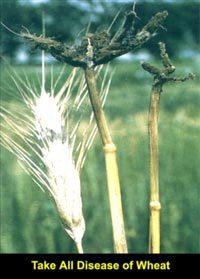
Alleviation of wheat |
 |
| Factor Bacteria |
Gaeilgemonomys Gramewis |
| Symptoms and damage |
- The likelihood of this disease is in the fields where the procession is not cured.
- Roots, lower stem parts rot and become black.
- If there is an infection in the primary stage, the plant is stuck.
- In the infected plant, there is no fruit in earrings.
|
| Control |
- Keep in mind the cleanliness of the farm.
- Use resistant strands.
- Use certified or registered seeds.
|
| IPM |
- Keep in mind the cleanliness of the farm.
- Use resistant strands.
- Use certified or registered seeds.
|
|
|
| Diseases |
Gaeilgemonomys Gramewis |
|
| English Name |
Alleviation of wheat 2 |
|
| Factor Bacteria |
Gaeilgemonomys Gramewis |
| Symptoms and damage |
- The likelihood of this disease is in the fields where the procession is not cured.
- Roots, lower stem parts rot and become black.
- If there is an infection in the primary stage, the plant is stuck.
- In the infected plant, there is no fruit in earrings.
|
| Control |
- Keep in mind the cleanliness of the farm.
- Use resistant strands.
- Use certified or registered seeds.
|
| IPM |
- Keep in mind the cleanliness of the farm.
- Use resistant strands.
- Use certified or registered seeds.
|
|
|
| Diseases |
Pyrinophora Tycostopa or Duchesslera Tatiqi-Repanes |
|
| English Name |
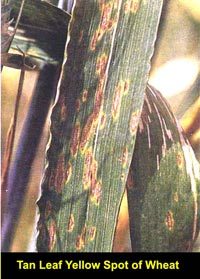
Ten yellow leaf smear |
 |
| Factor Bacteria |
Pyrinophora Tycostopa or Duchesslera Tatiqi-Repanes |
| Symptoms and damage |
- This disease occurs in the cold-producing areas of wheat.
- Brown stains appear in the leaf.
- Afterwards, it becomes round and becomes yellow or green.
|
| Control |
- Keep in mind the cleanliness of the farm.
- Use resistant strands.
- Use certified or registered seeds.
|
| IPM |
– |
|
|
|
| Diseases |
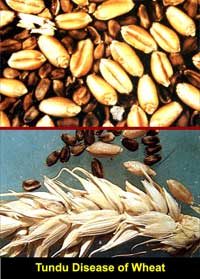
Tundu Disease |
|
| English Name |
Tundu Disease |
 |
| Factor Bacteria |
Ingina TTC |
| Symptoms and damage |
– |
| Control |
- Keep in mind the cleanliness of the farm.
- Use resistant strands.
- Use certified or registered seeds.
|
| IPM |
– |
|
|
|
| Diseases |
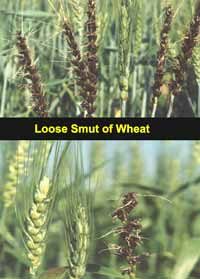
Luce Smut |
|
| English Name |
Pomegranate Shoulder |
 |
| Factor Bacteria |
– |
| Symptoms and damage |
- All eggs turn into black matter.
- Sylvery cover remains on the black matter at the initial stage.
- Later the membrane is tote, the spores of the black matter fly from the air and remain recycled.
- Black cond develops on the first or next leaf.
- There is no effect on the hairs.
- The spores are light yellow, oval with rounds in shape whose outer edges remain contaminated.
|
| Control |
- Use disease-free seeds.
- Use resistant varieties.
- Treat the seeds with water at a temperature of 50 to 54 D. CENTRE for six hours.
- Dry the seeds in direct sunlight for about four hours.
- Treat at a rate of 2.5 to 3 g of Vitavex or belet per kg.
|
| IPM |
- Use resistor varieties such as PWD-233, PWD-34, PWD-138, TL1210.
- Pay attention to the cleanliness of the farm.
- Use certified seeds.
- Do not sow late.
- Destroy the remains of affected plants from the farm.
- In the months of May-June when there is a strong sunshine,dry well in the tune after soaking the seeds in water for 4 hours a morning.
|
|
|
| Diseases |
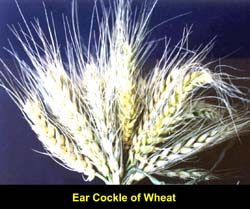
Sehu Disease |
|
| English Name |
Sehu Disease |
 |
| Factor Bacteria |
Gagla, Mmony, Ingvana Tritc |
| Symptoms and damage |
- This disease occurs from the formula.
- The plant grows on the surface of the soil in the pitica on the plant. Then after a while the straightening grows.
- Inflammation appears on the lower part of the plant after 20 to 25 days of sowing.
- When the plant arrives, the leaves turn out to the inside.
- The patient keeps the plant dwarf.
- The sterilized earrings are generated on the affected plant.
- The place of the donations in the patient earrings is blisters that remain green for quite days.
- When harvesting these blisters affect the next crop even if the soil falls.
- The outbreak of this disease is very high and it can lead to a decrease in yield by 80 percent.
|
| Control |
- Tritecell is a pedant of dorum and bed, nematode.
- Use free seeds from pitica.
- Use certified or registrant seeds.
- Adopt the harvest cycle.
- Do not use the same variety twice.
- Let the affected plant flourish.
- Do not use the seeds of the diseased crop to sow.
|
| IPM |
- Pay attention to the cleanliness of the farm.
- Use certified seeds.
- Do not sow late.
- Destroy the remains of affected plants from the farm.
- In the months of May-June when there is a strong sunshine,dry well in the tune after soaking the seeds in water for 4 hours a morning.
- If the seeds of the diseased crop have to be used, immerse them in ordinary water, the diseased seeds are mild and separate them.
|
|
|
| Diseases |
Black Kitt |
|
| English Name |
Black Kitt |
 |
| Factor Bacteria |
Pakcinia Graminis TriTC |
| Symptoms and damage |
- Spots appear on the stem, foliage and hairs.
- There are dark brown spots on the stem that have a frothy epidermis.
- The pore capacity of seeds is eliminated.
- The rash becomes colorless.
|
| Control |
- Spray 3 g #litre mencozeb. Or
Spray 1.5 g of #litter carbadzim.
|
| IPM |
- Use resistant varieties such as WH147, GW-190, H. 1977.
- Pay attention to the cleanliness of the farm.
- Use certified seeds.
- Do not sow late.
- Destroy the remains of affected plants from the farm.
- In the month of May-June, when there is a strong incense, dry well in the incense after soaking the seeds in water for 4 hours in the morning.
|
|
|
| Diseases |
– |
|
| English Name |
Sutra |
 |
| Factor Bacteria |
– |
| Symptoms and damage |
– |
| Control |
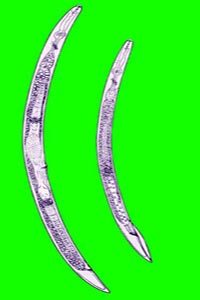
- Chemical pesticides should be used at the time when the number of pests exceeds the economic body level. Use the following insecticides with 600 to 750 liters. Spray at a rate of 8 30 EC dimethate 330 mg per hectare.
8 25 EC METHYL DEMOTON 650mm
Spray at the rate of per hectare.
|
| IPM |
– |
|
|
|
| Diseases |
Melodogany Prajati |
|
| English Name |
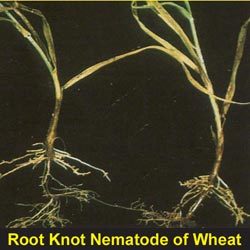
Route Not Nematode |
 |
| Factor Bacteria |
– |
| Symptoms and damage |
- This formula makes blisters or lumps near the worm root.
- It develops more branches in the roots.
- The plant becomes unmanned and gets stuck.
|
| Control |
Use the following pesticides with 600 to 750 liters.
- Spray 8 30 EC dimetheate at a rate of 330 mm per hectare.
- 8 25 E.C. Methyl Democraton Spray at a rate of 650 mm per hectare.
|
| IPM |
- Use certified seeds.
- Heat deep till the temperature is 40 d. close to which the simmer caused by sunlight helps to destroy the simmering etc.
- Pay attention to the cleanliness of the farm.
|
|
|
| Diseases |
Engvena Tritc |
|
| English Name |
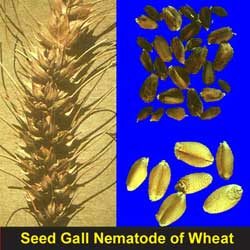
Seed Gall Formula |
 |
| Factor Bacteria |
– |
| Symptoms and damage |
- Moisture-containing weather and wet soil gall helps increase nimatod.
- Nimatod stem, penetrates into the area of the top.
- The bishop leaf and stem show its invasion.
- The blisters appear on the wreath at the stage of ripening.
- These are dark colours that take place between.
- As soon as these blisters are wet, larvae seems to do its job.
|
| Control |
- The use of chemistry nematodes should be done at the time when the number of nimatodes exceed the economic body level.
- The economic body level for nematode is a percentage of healthy seeds from 1 percent gull seeds.
- Spray 30 EC at a rate of 330 mm per hectare.
- Spray at a rate of 25 E.C. mile demoton 650 mm per hectare.
|
| IPM |
- Use certified seeds.
- Add 2 percent salts to the infected seeds in water.
- If the water is floated, separate them, then wash with clean water and then dry.
|
|
|
| Diseases |
– |
|
| English Name |
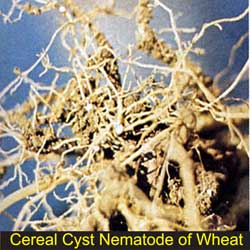
Cerial Cyst Formula |
 |
| Factor Bacteria |
Heatherodara Avani |
| Symptoms and damage |
- It invades all varieties.
- In the roots of the infected plant there is a lot of branches, and they are destroyed.
- The powder is white and then deep brown.
|
| Control |
- The use of chemistry nematodes should be done at the time when the number of nimatodes exceed the economic body level.
- Economic body level for nematode is 2 larvae # g of soil per 2 eggs.
- Spray 1.5kg 3g carbafurean per hectare at the time of sow.
|
| IPM |
- Use resistant varieties.
- Grow crops like chana or mustard.
- Connect deep into heat.
- Soon.
Source: Department of Farmers Welfare and Agricultural Development |

