| Agricultural work of Esbgol | |||||||||||||||||||||||||||||||||||||||||||||||||||||||||||||||||||||||||||||||||||||||||||||||||||||||||||||||||||||||||||||||||
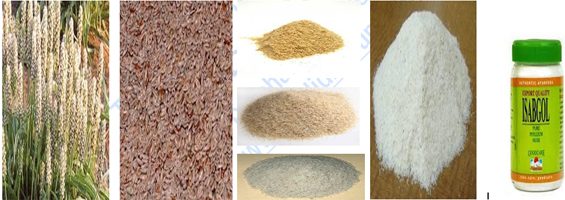
| Esbgol Plantago ovata Forsk. is an extremely important medicinal crop. It is the first place in exporting medicinal crops. We are currently exporting the price of 120 crores annually from our country. The largest consumer of Esbgol in the world is America. Its major producers in the world are Iran, Iraq, Arab Emirates, India, Philippines, etc. India’s place is first in Esbgol production and area. Its production in India has been majorly in Gujarat, Rajasthan, Punjab, Haryana, Uttar Pradesh and Madhya Pradesh in around 50 thousand hectares. In M.P. Nimach, Ratlam, Mandsaur, Ujjain and Shajapur district is headed. | |||||||||||||||||||||||||||||||||||||||||||||||||||||||||||||||||||||||||||||||||||||||||||||||||||||||||||||||||||||||||||||||||
| Use | |||||||||||||||||||||||||||||||||||||||||||||||||||||||||||||||||||||||||||||||||||||||||||||||||||||||||||||||||||||||||||||||||
| The pharmacological use of Esbgol is increasingly bullishing its demand in the world market due to its greater use. The peel on the seeds of Esbgol is the medicinal product known as Esbgol’s husk. The ratio of husk and seeds remains 25:75. It has higher water absorption capacity. Therefore it is used as ayurvedic medicine in the treatment of physical illnesses such as stomach cleaning, constipation, diarrhea autoiosis, ulcers, hemorrhoids, etc. Also it is used in ice cream color pathogen, printing etc industries. In view of its demand and utility, it is necessary to cultivate scientific techniques. | 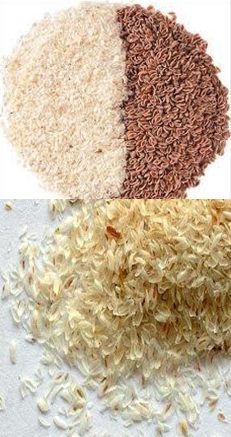 |
||||||||||||||||||||||||||||||||||||||||||||||||||||||||||||||||||||||||||||||||||||||||||||||||||||||||||||||||||||||||||||||||
| Land & Climate – | |||||||||||||||||||||||||||||||||||||||||||||||||||||||||||||||||||||||||||||||||||||||||||||||||||||||||||||||||||||||||||||||||
| Cold and dry climates are suitable for Esbgol. Rains and dews are very harmful for the crop when harvesting. Sometimes the harvest is destroyed by 100 percent. It should not be cultivated in more sense and moisturey climates. The temperature of 20-25 °C for its germination and 30-35 °C at the time of maturity of the crop is appropriate. For this good water exhaust dome or sandy dome land are suitable. The P-H value of the land should be up to 7-8. | |||||||||||||||||||||||||||||||||||||||||||||||||||||||||||||||||||||||||||||||||||||||||||||||||||||||||||||||||||||||||||||||||
| Land Preparation – | |||||||||||||||||||||||||||||||||||||||||||||||||||||||||||||||||||||||||||||||||||||||||||||||||||||||||||||||||||||||||||||||||
Twice the snatch and once the snuckles and the sniffs and the sniffs and the sniffs. Make small things. Length of the ears as per the convenience of slope and irrigation of the Chadai farm. It is not advisable to keep the length of the ears more than 8-12 meters and 3 meters. Water exhaust in the farm should be good. Because the water filler in the farm can not plant the Esbgol.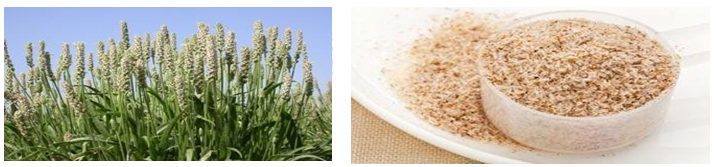 |
|||||||||||||||||||||||||||||||||||||||||||||||||||||||||||||||||||||||||||||||||||||||||||||||||||||||||||||||||||||||||||||||||
| Advanced Caste – | |||||||||||||||||||||||||||||||||||||||||||||||||||||||||||||||||||||||||||||||||||||||||||||||||||||||||||||||||||||||||||||||||
| Jawahar Esbgol 4 – This species has been approved and released for M.P. by Kailash Nath Katju Gardeniki Mahavidgalaya, Mandsaur (Rajamata Vijayaraje Sindhiya Agricultural University, Gwalior) under the All India coordinated research project of Medicinal and Aromatic Plant in 1996. It can be produced 13-15 quintal per hector. Gujarat Esbgol 2 – This species has been developed in 1983 from All India coordinated medicinal and aromatic plant project, Anand, Gujarat. It can be produced 9-10 quintal per hector. Haryana Esbgol 5 – This species is extracted from All India coordinated pharmacological and aromatic plant project, Chaudhary Charan Singh Haryana Agricultural University, Hisar in 1989. It can be produced 10-12 quintal per hector. Other varieties can be sowing by selecting Gujarat Esbgol 1, Haryana Esbgol – 2, Niharika, Trobe Collection 1 to 10 etc. |
|||||||||||||||||||||||||||||||||||||||||||||||||||||||||||||||||||||||||||||||||||||||||||||||||||||||||||||||||||||||||||||||||
| Time of BOI | |||||||||||||||||||||||||||||||||||||||||||||||||||||||||||||||||||||||||||||||||||||||||||||||||||||||||||||||||||||||||||||||||
| In order to sowing Esbgol, the crop grows much more voluntary, the result is harvested and the outbreak of the Maduromil asset increases. If the same is delayed, the vegetative growth of the outbreak is reduced and the monsoons continue to withstand the precipitation. So the peasant brother Esbgol’s BOI from the last week of October to the second week of November is the good time. The yield decreases drastically when sowing until December month. | |||||||||||||||||||||||||||||||||||||||||||||||||||||||||||||||||||||||||||||||||||||||||||||||||||||||||||||||||||||||||||||||||
| Seed quantity – | |||||||||||||||||||||||||||||||||||||||||||||||||||||||||||||||||||||||||||||||||||||||||||||||||||||||||||||||||||||||||||||||||
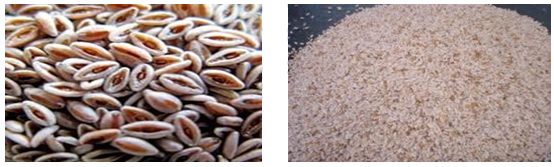
| Oatmeal, 4 kg of diseaseless seeds can be well produced when used at the rate of hector per hectare. In the event of greater seed rate, the outbreak of the Maduromil asset increases and the production is affected. | |||||||||||||||||||||||||||||||||||||||||||||||||||||||||||||||||||||||||||||||||||||||||||||||||||||||||||||||||||||||||||||||||
 |
|||||||||||||||||||||||||||||||||||||||||||||||||||||||||||||||||||||||||||||||||||||||||||||||||||||||||||||||||||||||||||||||||
| Seedlings – | |||||||||||||||||||||||||||||||||||||||||||||||||||||||||||||||||||||||||||||||||||||||||||||||||||||||||||||||||||||||||||||||||
| Sowing the seeds of Esbgol with a value of 5 g of Matallaxil 35 sd per kg of seeds. For farmer brother soil treatment, use a dry farm containing 2.5 kg of organic pesticide trichoderma viridi at a rate of 2.5 kg per hectare. | |||||||||||||||||||||||||||||||||||||||||||||||||||||||||||||||||||||||||||||||||||||||||||||||||||||||||||||||||||||||||||||||||
| The method of sowing | |||||||||||||||||||||||||||||||||||||||||||||||||||||||||||||||||||||||||||||||||||||||||||||||||||||||||||||||||||||||||||||||||
| किसानों में ईसबगोल की छिटकाव पद्धति से बुवाई करना प्रचलित हैं। परंतु इस विधि से अंतःसस्य किय्राएं करने में कठिनाई आती हैं। परिणामस्वरुप उत्पादन प्रभावित हो जाता है। अतः किसान भाई ईसबगोल की बुवाई कतारों में करते हुए कतार से कतार की दूरी 30 से. मी. एवं पौधे की दूरी 5 से. मी. रखे । बुवाई करते समय बीज में महीन बालू रेत अथवा छनी हुई गोबर की खाद मिलाकर बुवाई करें जिससे वंाछित बीज दर का प्रयोग हो सके। बीज की गहराई 2-3 से.मी. रखे। इससे ज्यादा गहरा बीज न बोयें । छिटकाव पद्धति से बोने पर मिट्टी में ज्यादा गहरा न मिलावें। | |||||||||||||||||||||||||||||||||||||||||||||||||||||||||||||||||||||||||||||||||||||||||||||||||||||||||||||||||||||||||||||||||
| खाद एवं उर्वरक :- | |||||||||||||||||||||||||||||||||||||||||||||||||||||||||||||||||||||||||||||||||||||||||||||||||||||||||||||||||||||||||||||||||
| ईसबगोल का अच्छा उत्पादन हेतु अच्छी पकी हुई गोबर की खाद 15-20 टन प्रति हेक्टर डालें। 10-15 किलो नत्रजन , 40 किलो स्फुर एवं 20 किलो पोटाश प्रति हेक्टर बुवाई के समय डालें। नत्रजन की 10-15 किलो प्रति हेक्टर बुवाई के 40 दिन बाद छिटकाव कर डालें। | |||||||||||||||||||||||||||||||||||||||||||||||||||||||||||||||||||||||||||||||||||||||||||||||||||||||||||||||||||||||||||||||||
| Irrigation:- | |||||||||||||||||||||||||||||||||||||||||||||||||||||||||||||||||||||||||||||||||||||||||||||||||||||||||||||||||||||||||||||||||
| अच्छे अंकुरण के लिए बुवाई के तुरंत बाद हल्की सिंचाई धीमी गति से करें। अंकुरण कमज़ोर होने पर दूसरी सिंचाई 5-6 दिन बाद देवें । इसके बाद प्रथम सिंचाई 30 दिन बाद एवं दूसरी सिंचाई 70 दिन बाद देवें। फूल एवं दाना भरने की अवस्था पर सिंचाई न दें। इनमें दो से ज्यादा सिंचाई देने पर रोगों का प्रकोप बढ जाता हैं तथा उपज में कमी आ जाती हैं। पुश्पक्रम / बाली आने के बाद स्प्रिकंलर से सिचाई ना करें । | |||||||||||||||||||||||||||||||||||||||||||||||||||||||||||||||||||||||||||||||||||||||||||||||||||||||||||||||||||||||||||||||||
| निंदाई-गुडाई :- | |||||||||||||||||||||||||||||||||||||||||||||||||||||||||||||||||||||||||||||||||||||||||||||||||||||||||||||||||||||||||||||||||
| बुवाई के 20-25 दिन बाद एक बार निंदाई-गुडाई अवश्य करें । इसी समय छनाई का काम भी कर देवें तथा पौधों की दूरी 5 से.मी. रखें । इस फसल में रासायनिक नींदा नियंत्रण के लिए सल्फोसल्फुरोन की 25 ग्राम मात्रा अथवा आइसोप्रोटूरोंन की 500-750 ग्राम सक्रिय तत्व की मात्रा 500 लीटर पानी में घोलकर बोनी के 20 दिन पर छिडकाव करें। | |||||||||||||||||||||||||||||||||||||||||||||||||||||||||||||||||||||||||||||||||||||||||||||||||||||||||||||||||||||||||||||||||
| Plant Protection:- | |||||||||||||||||||||||||||||||||||||||||||||||||||||||||||||||||||||||||||||||||||||||||||||||||||||||||||||||||||||||||||||||||
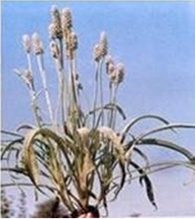
| डाउनी मिल्ड्यू (मदुरोमिल आसिता)-मृदुल रोमिल आसिता के लक्षण पौधों में बाली (स्पाइक) निकलते समय दिखाई देते हैं। सर्वप्रथम पत्तियों की ऊपरी सतह पर सफेद या कत्थई रंग के धब्बे दिखाई देते हैं तथा पत्ती के निचले भाग में सफेद चूर्ण जैसा कवक जाल दिखाई देता हैं। बाद में पत्तियां सिकुड जाती हैं तथा पौधों की बढवार रुक जाती हैं जिसके परिणामस्वरूप डंठल की लम्बाई , बीज बनना एवं बीज की गुणवत्ता प्रभावित होती हैं। रोग नियंत्रण हेतु स्वस्थ व प्रमाणित बीज बोयें , बीजोपचार करें एवं कटाई के बाद फसल अवशेषों को जला देवें। प्रथम छिडकाव रोग का प्रकोप होने पर मैटालैक्जिल $ मैंकोजेब की 2-2.5 ग्राम मात्रा अथवा कापर ऑक्सीक्लोराइड 3 ग्राम प्रति लीटर पानी में मिलाकर छिडकाव करें। छिडकाव 10-15 दिन के अंतराल पर दोहराए।
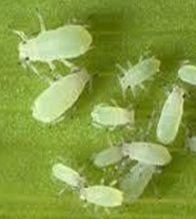
मोयला – माहू का प्रकोप सामान्यतः बुवाई के 60-70 दिन की अवस्था पर होता है।यह सुक्ष्म आकार का कीट पत्तियों, तना एवं बालियों से रस चूसकर नुकसान पहुंचाता है। अधिक प्रकोप होने की दषा में पूरा पौधा मधु स्त्राव से चिपचिपा हो जाता हैं तथा फसल पर क क्रिया बाधित हो जाती हैं जिससे उत्पादन प्रभावित होता हैं। इसकी रोकथाम हेतु आक्सी मिथाइल डेमेटान 25 प्रतिशत ई.सी. अथवा डाइमिथोएट 30 प्रतिशत ई.सी. की 1.5 मिली मात्रा प्रति लीटर पानी में अथवा इमिडाइक्लोप्रिड 17.8 प्रतिशत एस.एल. अथवा एसिटामिप्रिड 20 प्रतिशत एस. पी. की 5 मिली/ग्राम मात्रा प्रति 15 लीटर पानी में मिलाकर छिडकाव करें एवं आव यकतानुसार छिडकाव को दोहराए । |
  |
||||||||||||||||||||||||||||||||||||||||||||||||||||||||||||||||||||||||||||||||||||||||||||||||||||||||||||||||||||||||||||||||
| फसल की कटाई :- | |||||||||||||||||||||||||||||||||||||||||||||||||||||||||||||||||||||||||||||||||||||||||||||||||||||||||||||||||||||||||||||||||
| फसल 110-120 दिन में पककर तैयार हो जाती हैं , फसल पकने पर पौधों की ऊपरी पत्तियां पीली एवं नीचे की पत्तियां सूख जाती हैं। बालियों को हथेली में मसलने पर दाने आसानी से निकल जाते हैं। इसी अवस्था पर फसल की कटाई करें। कटाई सुबह के समय करने पर झडने की समस्या से बचा जा सकता हैं। फसल कटाई देर से न करें अन्यथा दाने झडने से उपज में बहुत कमी आ जाती हैं। मावठा आने की स्थिति में फसल कटाई 2-3 दिन जल्दी कर लेवें। | |||||||||||||||||||||||||||||||||||||||||||||||||||||||||||||||||||||||||||||||||||||||||||||||||||||||||||||||||||||||||||||||||
| Yield:-
|
|||||||||||||||||||||||||||||||||||||||||||||||||||||||||||||||||||||||||||||||||||||||||||||||||||||||||||||||||||||||||||||||||
| उन्नत तकनीक से खेती करने पर 15-16 क्विंटल प्रति हेक्टर उपज मिल जाती हैं । | |||||||||||||||||||||||||||||||||||||||||||||||||||||||||||||||||||||||||||||||||||||||||||||||||||||||||||||||||||||||||||||||||
| ईसबगोल की अधिक उपज के लिए क्या करें :- | |||||||||||||||||||||||||||||||||||||||||||||||||||||||||||||||||||||||||||||||||||||||||||||||||||||||||||||||||||||||||||||||||
| 1 समय पर बोनी करें ।
2 बीज की गहराई 2-3 सेमी से ज्यादा न रखें। 3 बीजोपचार अवश्य करें । 4 उन्नत बीज का उपयोग करें । 5 पौधों की छनाई 20 – 25 दिन बाद अवश्य करें। 6 क्रांतिक अवस्थाओं पर दो सिंचाई से ज्यादा न करें। 7 डाउनी मिल्ड्यू रोग का उपचार फफूंदनाशक से अवश्य करें। 8 रोगग्रस्त पौधों को उखाड कर नष्ट कर देवें। 9 मोयला का नियंत्रण समय पर अवश्य करें । 10 खरपतवार नियंत्रण समय पर करें । 11 कटाई उपयुक्त अवस्था में करें । 12 मावठा / बरसात को ध्यान में रखते हुए कटाई 2-3 दिन जल्दी कर लेवें । 13 फसल की गहाई सुबह के समय खेत में ही करें। |
|||||||||||||||||||||||||||||||||||||||||||||||||||||||||||||||||||||||||||||||||||||||||||||||||||||||||||||||||||||||||||||||||
| ईसबगोल की खेती का आर्थिक विश्लेषण | |||||||||||||||||||||||||||||||||||||||||||||||||||||||||||||||||||||||||||||||||||||||||||||||||||||||||||||||||||||||||||||||||
|
|||||||||||||||||||||||||||||||||||||||||||||||||||||||||||||||||||||||||||||||||||||||||||||||||||||||||||||||||||||||||||||||||