| Agriculture Work of Bhindi:- |

भिंडी । Abelmoschus esculentus (L.) Moench एक लोकप्रिय सब्जी है। सब्जियों में भिंडी का प्रमुख स्थान है जिसे लोग लेडीज फिंगर या ओकरा के नाम से भी जानते हैं। भिंडी की अगेती फसल लगाकर किसान भाई अधिक लाभ अर्जित कर सकते है। मुख्य रुप से भिंडी में प्रोटीन, कार्बोहाइड्रेट, खनिज लवणों जैसे कैल्शियम, फॉस्फोरस के अतिरिक्त विटामिन ‘ए’, बी, ‘सी’, थाईमीन एवं रिबोफ्लेविन भी पाया जाता है। इसमें विटामिन ए तथा सी पर्याप्त मात्रा में पाये जाते है। भिंडी के फल में आयोडीन की मात्रा अधिक होती है। भिंडी का फल कब्ज रोगी के लिए विशेष गुणकारी होता है। म. प्र. में लगभग 23500 हे. में इसकी खेती होती है। प्रदेश के सभी जिलों में इसकी खेती की जा सकती हैं। अधिक उत्पादन तथा मौसम की भिंडी की उपज प्राप्त करने के लिए संकर भिंडी की किस्मों का विकास कृषि वैज्ञानिकों द्वारा किया गया हैं। ये किस्में येलो वेन मोजैक वाइरस रोग को सहन करने की अधिक क्षमता रखती हैं। इसलिए वैज्ञानिक विधि से खेती करने पर उच्च गुणवत्ता का उत्पादन कर सकते हैं। |
| Land & Farm Preparation:- |
| The warm and moist environment of the long term for Bhindi is considered superior. For seed rise, 27-30 degrees to 80 grams of temperature is suitable and seeds are not germinated at less than 17 degrees to 80 grams. This crop is grown in both summers and kharif seasons. Bhindi can be grown in all kinds of lands with perfect water exhaust. The P0H value of the land is 7.0 to 7.8. Two-three times of land must be raised and laid and leveled. |
| Best varieties:- |
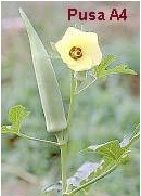
| Pusa A-4 : |
- This is an advanced variety of Bhindi.
- This species has been fired by Indian Agricultural Research Institute, New Delhi in 1995.
- It is tolerant to aphids and jasid.
- It is anti-Petrogue Yaelo Wen Mozack virus.
- Fruits are medium-sized deep, low gluten, 12-15 cm long and attractive.
- The fruit begins after about 15 days of sowing and the first trumpet starts after 45 days.
- Its average yield is 10 ton per ton in summer and 15 ton per ton in Kharif.
|
 |
| Refugee Revolution: |
- This variety is waterproof.
- This species has been fired in 1985 by Marathawada Agricultural University, Parabhani.
- The fruit starts to come about 50 days after sowing.
- Fruits are dark green and 15-18 cm long.
- Its yield is 9-12 tons per cap.
|
 |
| Punjab-7 : |
| This variety is also waterproof. This species is extracted by Punjab Agricultural University, Ludhiana. Fruits are green and medium sized. About 55 days after sowing, the fruit begins to come. Its yield is 8-12 tons per cap. |
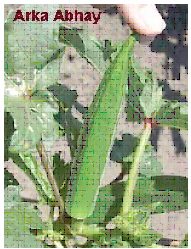
| Arka Abhay: |
- This species is extracted by Indian Institute of Horticulture Research, Bangalore.
- This species is anti-yellowing socks virus disease.
- Its plants are equipped with a high 120-150 cm straight and good branch.
|
 |
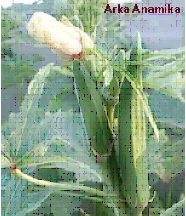
| Arka Anamika: |
- This species is extracted by Indian Institute of Horticulture Research, Bangalore.
- This species is anti-yellowing socks virus disease.
- Its plants are equipped with a high 120-150 cm straight and good branch.
- Fruits are soft green and 5-6 stripes.
- Fruit stalks are facilitated to break due to prolongation.
- This species can be grown in both seasons.
- Yields 12-15 tons per cap.
|
 |
| Rain gift: |
- This species is extracted by Chaudhary Charan Singh Haryana Agricultural University, Hisar.
- This species is anti-yellowing socks virus disease.
- The plants are medium height 90-120cm and internode passpass.
- 2-3 branches in the plant come out of each nod.
- The color of the leaves is dark green, the lower leaves are wide and small lobes and the upper leaves are with big lobes.
- Flowers begin in 40 days in the rainy season and fruits can be broken after 7 days.
- Fruits are born from the fourth five-thirds. The average yield is 9-10 tons per .
- It can also be cultivated in summer.
|
 |
|
| Hisar Advanced: |
- This species is extracted by Chaudhary Charan Singh Haryana Agricultural University, Hisar.
- The plants are medium height 90-120cm and internode passpass.
- 3-4 branches in the plant come out of each nod. The color of the leaves is green.
- The first trumpet starts after 46-47 days.
- The average yield is 12-13 tons per day.
- Fruits are 15-16 cm long green and attractive.
- This species is grown both in rain and summer.
|
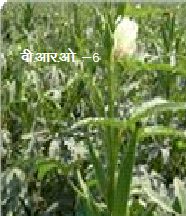
| VRO-6: |
- This variety is also known as Kashi Pragati.
- This species has been extracted in 2003 by Indian Vegetable Research Institute,Varanasi.
- This species is anti-yellowing socks virus disease.
- The average height of the plant is 175 cm in the rainy season and 130 cm in heat.
- Internodes are nearby.
- On average 38th day the flower begins to get.
- The average yield in heat can be taken up to 13.5 tons and 18.0 tons per rain.
|
 |
| Seed quantity and sowing way – |
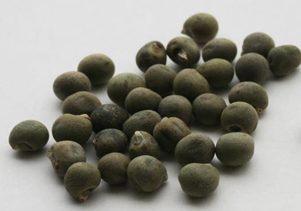
| At the stage of irrigation, 2.5 to 3 kg and 5-7 kg per hectare is required. Seeds of 5 kg per hectare are sufficient for hybrid varieties. Bhindi seeds are sown directly in the field. To prepare the farm before planting the seeds, mix 2-3 times. It is advisable to have a difference between 40-45 cm and 25-30 cm between the plant in the queue for rainfall pandy. Summer should be done in the sowing queues of Bhindi. Distance from queue 25-30cm and queue |
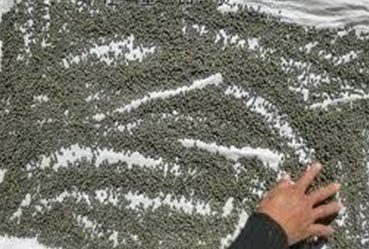 |
| The middle distance of the plant from the plant should be 15-20 cm. 2 to 3 cm deep sowing of seeds should be done. Pre-bhindi seeds of sowing should be treated at a rate of 3 g of mencozeb carbendazim per kg of seeds. Divide the entire farm into appropriate sized strips to facilitate irrigation. It is advisable to sow the wing of the wings in the wake of the water filler in the rainy season. |
 |
| Time of sowing:- |
| Summer Bhindi is carried out in February-March and in the sowing June-July of rainy Bhindi. Bhindi can be sowing in different farms between February and July at intervals of three weeks if Bhindi has to be harvested continuously. |
| Manure and Fertilizer – |
| In order to take good production in Bhindi’s crop, about 15-20 tonnes of gober’s manure and trajectory, spur and potash should be given in the soil at a rate of 80 kg, 60 kg and 60 kg per hectare. Half of the volume of the trumpet and potash should be given in the east land of sowing. The remaining amount of the traject should be given at intervals of 30-40 days in two parts. |
| About Us |
| Regular denouncement-Gudai tax should keep the farm weed free. After 15-20 days of sowing, it is necessary to make the first denouncement. Chemical sleep disorders can also be used for weed control. The 1.0 kg of weeding fluuclerelin active ingredient volume can be effective weed control by pre-mixing of sowing seeds in sufficient moist farm at the rate of hector per hectare. |
| Irrigation:- |
| Irrigation 10-12 days in March, 7-8 days in April and 4-5 days in May-June. Irrigation is not required if there is equal rainfall. |
| Plant Protection:- |
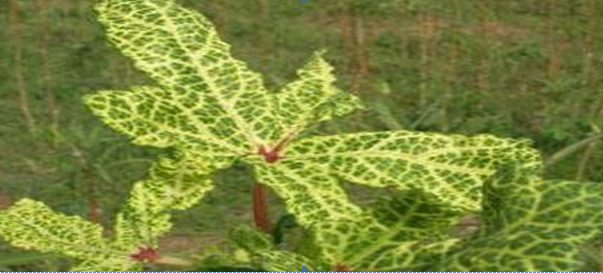
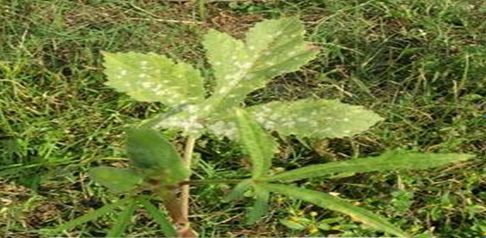
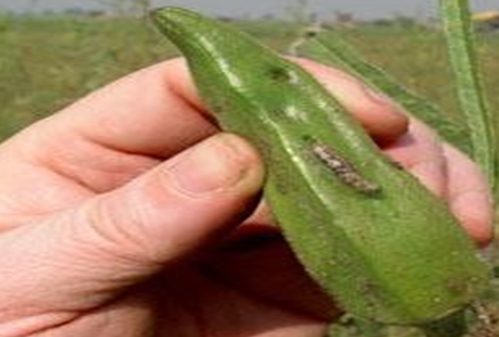
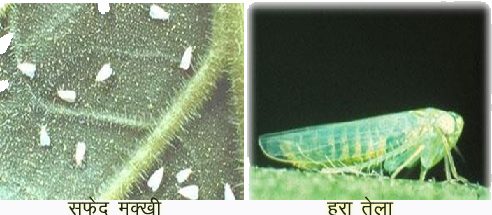
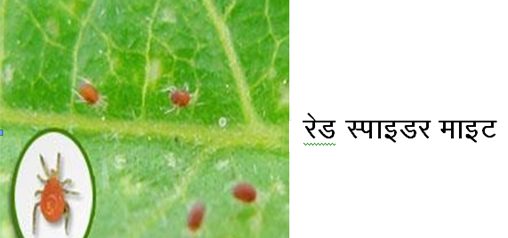
| In the diseases of Bhindi, Yellow Wen Mozzack is the main of varicose and chronological infusions and pests, green oily, white fly, primrose and fruity pests, Red Spider Mite. |
|
|
| harvesting and yield:- |
| For Bhindi, use C.I.A.E., Bhopal Dhara Visit Okra Pod Picker Yantra. According to the quality of the variety, the trumpet of fruits is started in 45-60 days and regular trumpets should be done at intervals of 4 to 5 days. Summer Bhindi harvest produces up to 60-70 quintal per hector. Bhindi’s Tudai becomes necessary every third or fourth day. The fruit becomes stiff when it is a little longer to break. The fruit must break within 5-7 days of bloom. Reasonable care, reasonable variety and compost- fertilizers get 130-150 kuntal green beans per hectare. |
| Economic analysis of Bhindi cultivation:- |
| No. |
Description |
Quantity & Rate Per Unit |
Cost (Rs) |
| 1. |
Land Preparation |
|
|
| a. |
Number of Separation – 03 |
/ 400 / 400 / hour, 2 hours / week |
2400 |
| 2. |
Manure and Fertilizer |
|
|
| a. |
Fertilizer Manure |
20 ton/h/400r/ton 8000 |
8000 |
| a. |
English |
80 * 12.5 |
1000 |
| Bbw |
Phosphorus |
60 * 32.5 |
1950 |
| S.No |
Potash |
60 * 20 |
1200 |
| S.No |
Number of Workers |
2nd Rs. 250/m |
500 |
| 3. |
Seed & Bui |
|
|
| a. |
Seed quantity |
5kg/1000kg/kg |
5000 |
| S.No |
Seed Treatment |
|
|
| a. |
Thieram |
3 g/kg |
15 |
| Bbw |
Rhizobium |
50 g/kg |
10 |
| S.No |
PSB |
50 g/kg |
10 |
| S.No |
Buoy expense |
2nd hour/hector/400r/hour |
800 |
| S |
Number of Workers |
Rs.250/worker at 4 |
1000 |
| 4. |
Deployment/Weeding |
|
|
| a. |
Basalin |
1 liter |
900 |
| S.No |
Denounced – Wages |
Rs.25/200/worker |
5000 |
| 5. |
Crop Protection |
|
|
| a. |
Dimethoate (2 times) |
750 ml/hector (1.5 liters) |
525 |
| S.No |
Imidylloprid (2 ) |
150ml/hector (300ml) |
1200 |
| S.No |
Quinolfoss (2 times) |
1250ml/hector ( 2.5 liters) |
1000 |
| S |
Dicophol |
1.0 liters/hector |
500 |
| D. |
Soluble Odor(2 times) |
1250g/hector(2.5kg) |
1000 |
| 6. |
Irrigation |
|
|
| a. |
Number of Workers |
14 Irrigation/750R/Wages |
10500 |
| S.No |
Electrical expenses |
Rs.100/hector |
1400 |
| 7. |
Tumblr |
7 |
|
| a. |
Number of Workers |
105 Worker / Rs.100/ Worker |
10500 |
| 8. |
Cutting & Mudai |
|
|
| a. |
Number of Workers |
20 wages/200rs/wages |
4000 |
| 9. |
Total expenses |
|
58410 |
| 10 |
yield |
145 quintal hector/10ru/kg |
145000 |
| 11. |
Pure Benefits |
|
86590 |
|